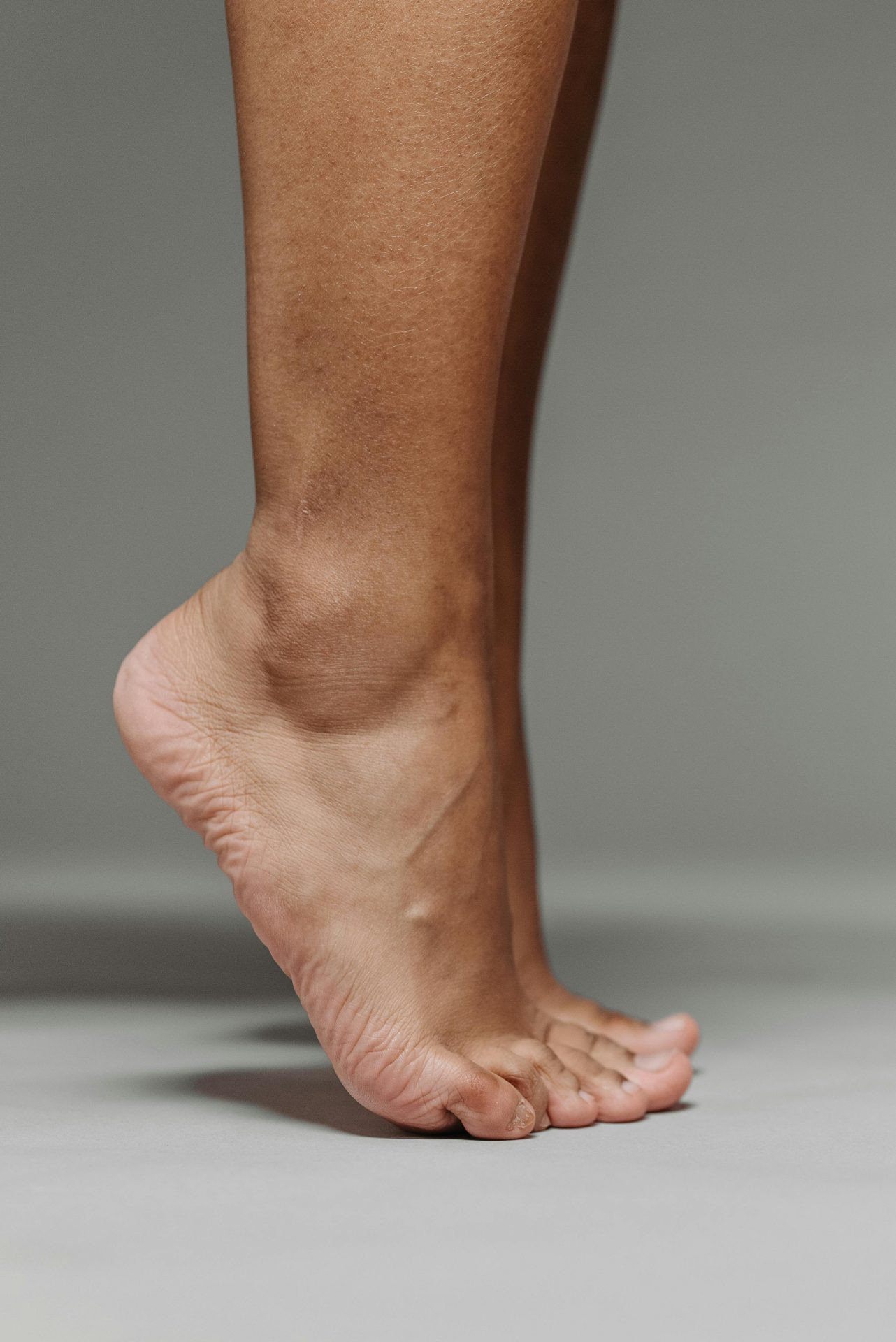
Sesamoiditis is a painful foot condition that commonly affects the ball of the foot, particularly beneath the big toe joint. It occurs when the sesamoid bones—two small, pea-shaped bones embedded within tendons under the first metatarsophalangeal joint—become inflamed due to repetitive stress or pressure. These bones play an important role in weight-bearing and helping the big toe move efficiently during walking and running.
What Causes Sesamoiditis?
Sesamoiditis is typically an overuse injury rather than the result of a single traumatic event. Activities that place repeated pressure on the forefoot, such as running, dancing, or sports that involve jumping and pushing off the toes, can increase the risk. Wearing thin-soled shoes, high heels, or footwear with poor support can also contribute to excessive stress on the sesamoid bones.
Foot structure may also play a role. People with high arches, limited big toe mobility, or forefoot loading patterns are more prone to developing sesamoiditis. Over time, this repeated strain can lead to inflammation, pain, and difficulty with everyday activities.
Common Symptoms
The most common symptom of sesamoiditis is pain beneath the big toe joint, which often develops gradually. The discomfort may feel like a dull ache or a sharp pain and usually worsens with walking, running, or standing for long periods. Some people notice swelling, bruising, or difficulty bending the big toe. Left untreated, symptoms may progressively worsen and interfere with normal movement.
How Is Sesamoiditis Diagnosed?
A thorough assessment by a podiatrist is essential for accurate diagnosis. Your podiatrist will assess your foot mechanics, footwear, activity levels, and pain patterns. Imaging such as X-rays or ultrasound may be used to rule out fractures or other conditions that can mimic sesamoid pain, ensuring the correct treatment approach is taken.
How Can a Podiatrist Help?
Management of sesamoiditis focuses on reducing pressure on the affected area and allowing inflammation to settle. A podiatrist may recommend activity modification, footwear changes, and padding or offloading techniques to reduce stress on the sesamoid bones. Custom orthotics can be particularly effective in redistributing pressure away from the ball of the foot and improving foot function.
Treatment may also include soft tissue therapy, mobilisation of the big toe joint, and targeted exercises to improve flexibility and strength. In more persistent cases, additional interventions may be required, always with a conservative and individualised approach.
When to Seek Help
If you are experiencing ongoing pain under the big toe joint, early intervention is important to prevent chronic discomfort. Residents of Melville and the wider Perth area commonly seek podiatry care for sesamoiditis to return to pain-free walking and activity as soon as possible.
The Bottom Line
Sesamoiditis can be painful, but with the right assessment and treatment, recovery is achievable. A qualified podiatrist can identify contributing factors, relieve pressure on the sesamoid bones, and guide you through a tailored treatment plan. If foot pain is limiting your day-to-day life, seeking podiatry care in Melville, Perth can help you get back on your feet comfortably.

