
Whether you're commuting to work, driving for your job or heading off on a long road trip, spending hours behind the wheel can leave you feeling stiff and uncomfortable. Your lower back, neck and shoulders can all be affected by prolonged sitting and maintaining the same position for an extended period. While driving itself isn't necessarily harmful to your spine, long periods of sitting without changing position can contribute to stiffness, muscle fatigue and back discomfort. Making a few simple changes can help you stay more comfortable on the road. Why Does Driving Cause Back Pain? When you're driving, you're…
Why Does My Elbow Hurt When I Grip Things?
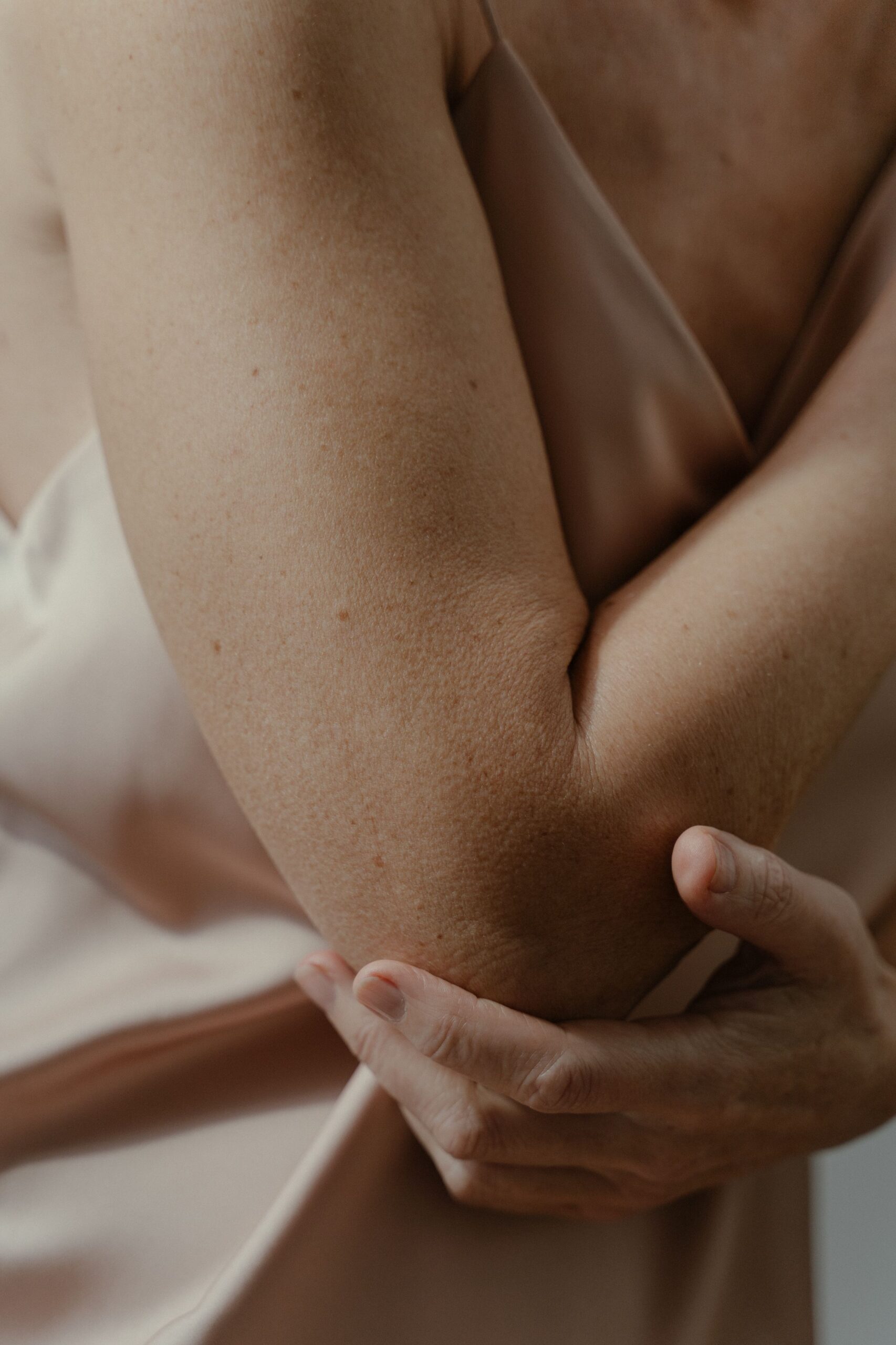
Have you noticed pain in your elbow when opening a jar, carrying shopping bags, shaking hands or gripping exercise equipment? Elbow pain during gripping is common and can be caused by several different problems, particularly those affecting the muscles and tendons around the elbow and forearm. One of the most common causes is tennis elbow, also known as lateral elbow tendinopathy. Despite its name, you don't need to play tennis to develop it! What Causes Elbow Pain When Gripping? Your forearm muscles are responsible for controlling movements of your wrist and fingers, and many of their tendons attach around the…

Can Your Neck Cause Headaches? Understanding Cervicogenic Headaches
If you regularly experience headaches along with neck stiffness, tension or reduced neck movement, you may wonder whether the two are connected. The answer is yes — problems involving the neck can contribute to certain types of headaches. One example is a cervicogenic headache, which originates from structures in the neck but is felt as pain in the head. Understanding the potential connection between your neck and headaches can help you know when it may be worth seeking professional advice. What Is a Cervicogenic Headache? A cervicogenic headache is a headache caused by an underlying problem or irritation involving structures…
Tibialis Posterior Tendinopathy: Causes, Symptoms and How a Podiatrist Can Help
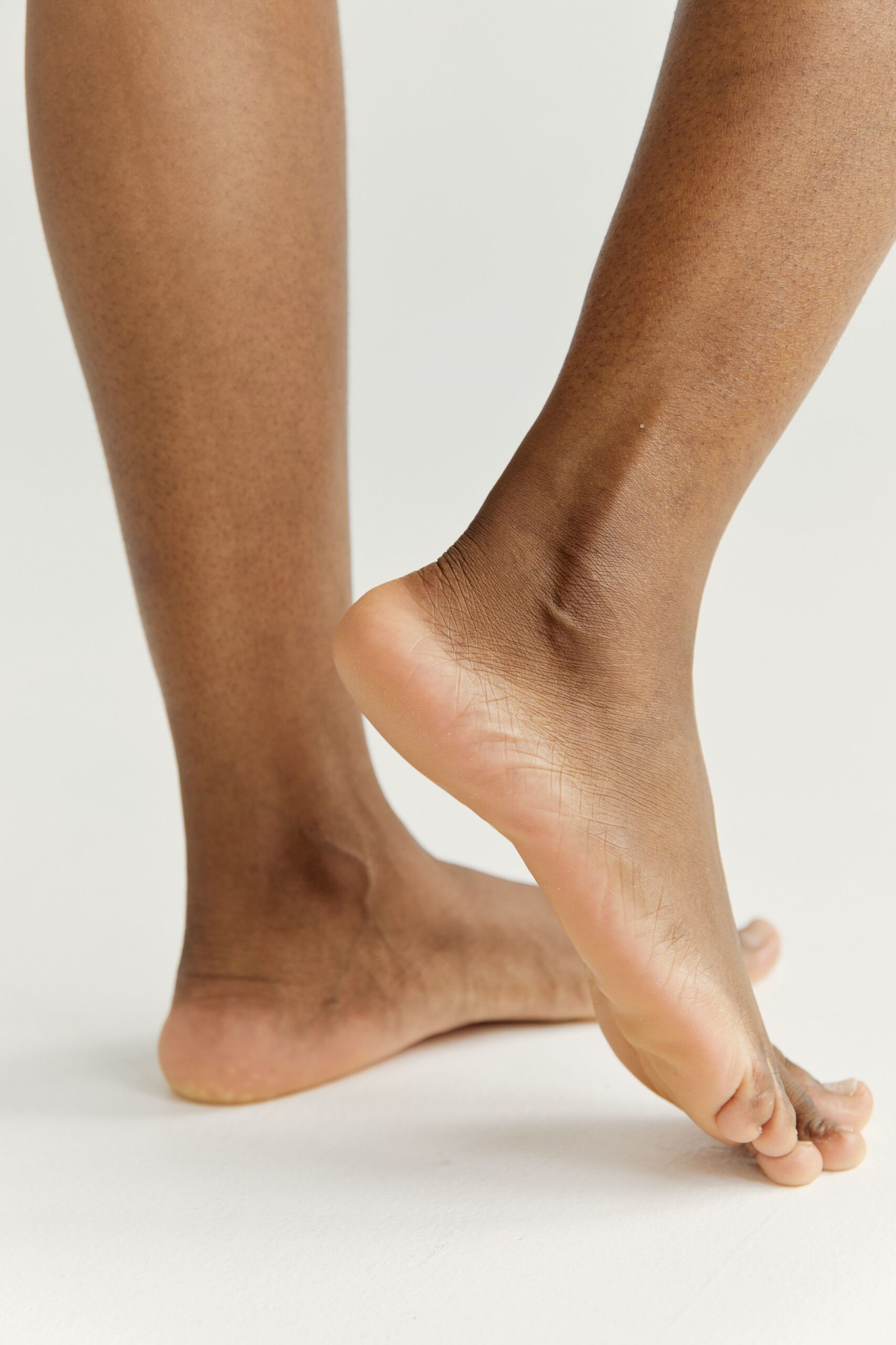
Pain on the inside of your ankle or along the arch of your foot can make everyday activities such as walking, exercising or standing for long periods uncomfortable. One possible cause is tibialis posterior tendinopathy, a condition affecting one of the important tendons that helps support your foot and ankle. Understanding the condition and getting appropriate treatment early can help prevent symptoms from becoming more persistent. What Is Tibialis Posterior Tendinopathy? The tibialis posterior tendon runs down the back of the lower leg, around the inside of the ankle and attaches to bones within the foot. It plays an important…

How Soon After a Minor Car Accident Should You See a Chiropractor?
Even a minor car accident can leave your body feeling the effects long after the vehicles have been repaired. A sudden impact can cause your head, neck and spine to move rapidly, placing strain on muscles, joints and other soft tissues. Sometimes you may feel completely fine immediately after an accident, only to develop stiffness, headaches or neck pain later. So, how soon should you see a chiropractor after a minor car accident? Don’t Ignore Symptoms Just Because the Accident Was Minor One of the most common injuries following a motor vehicle accident is whiplash. Whiplash occurs when the head…
Understanding the Basics of Physiotherapy: How Can It Help You?
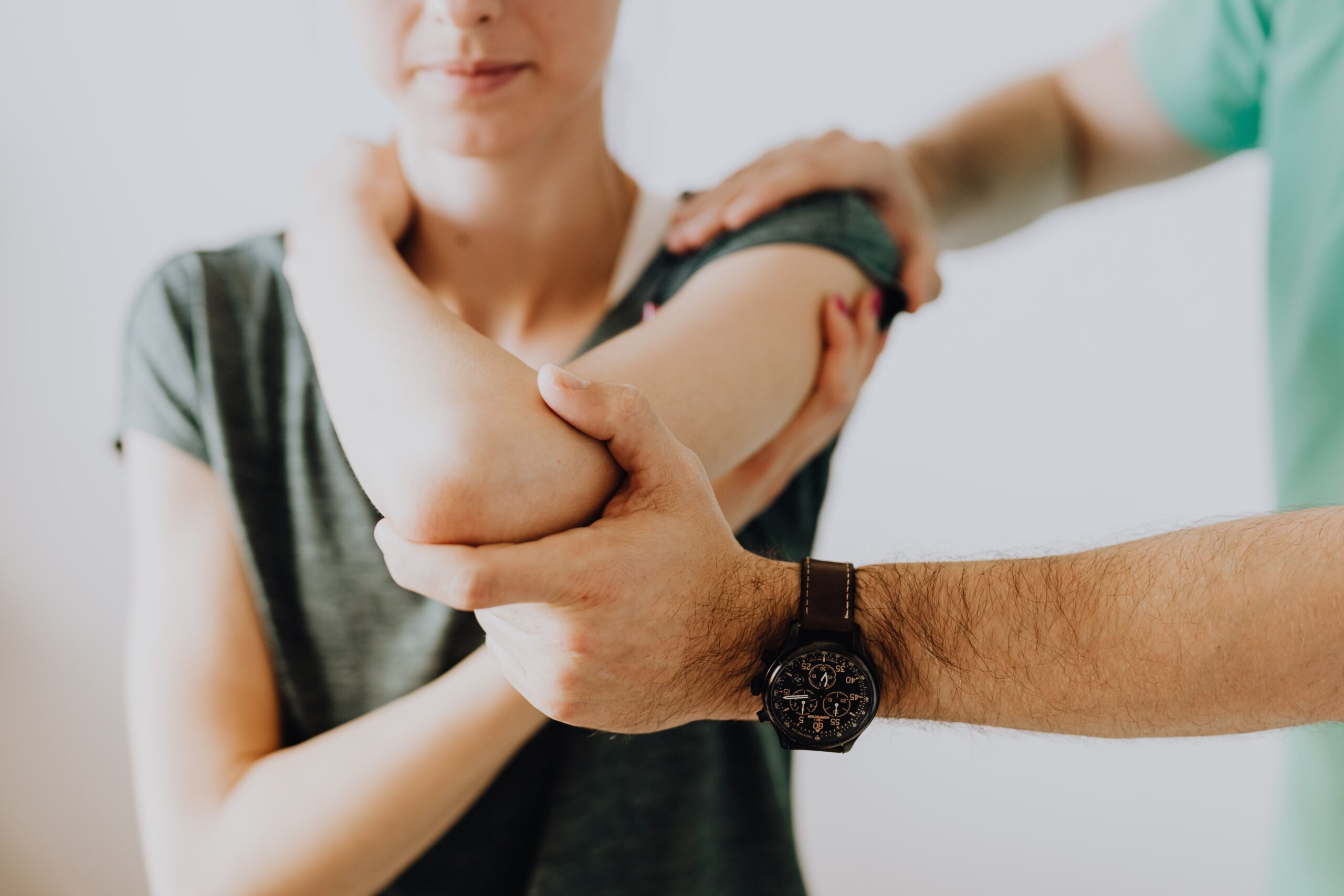
Physiotherapy is a healthcare profession focused on helping people improve movement, manage pain, recover from injury and maintain their physical function. Whether you've hurt yourself playing sport, are experiencing ongoing back pain or simply want to move more comfortably, physiotherapy can play an important role in helping you get back to doing the things you enjoy. At Melville Wellness Centre, our Physiotherapist in Melville, Perth works with people of different ages and abilities, creating treatment plans based on their individual needs and goals. What Does a Physiotherapist Do? A Physiotherapist assesses how your body moves and functions. Rather than simply…

Diabetic Foot Neuropathy: How Podiatry Can Help Protect Your Feet
Diabetes can affect many parts of the body, including the feet. One of the most common complications is diabetic peripheral neuropathy, a type of nerve damage that often affects the feet and lower legs first. It can cause numbness, tingling, burning sensations or increased sensitivity. Because neuropathy can reduce the ability to feel pain or injury, small problems can sometimes go unnoticed. This is why regular foot care and professional podiatry are so important for people living with diabetes. What Is Diabetic Foot Neuropathy? Diabetic peripheral neuropathy occurs when prolonged high blood glucose levels damage nerves. While symptoms can vary,…

Chiropractic Treatment for Pinched Nerves: Can It Help?
A pinched nerve can be surprisingly painful and disruptive. Whether it occurs in the neck, back, shoulder or elsewhere along the spine, pressure or irritation around a nerve can cause pain, tingling, numbness or weakness. If these symptoms are affecting your daily life, chiropractic treatment may be one option to consider as part of a personalised approach to care. At Melville Wellness Centre, our Chiropractor in Melville, Perth can assess your symptoms and determine whether chiropractic care is appropriate for your individual situation. What Is a Pinched Nerve? A “pinched nerve” is a common term used to describe irritation or…

Running Injury-Free: How Physiotherapy Can Keep You Moving
Running is a fantastic way to improve fitness, build strength and support your overall health. Whether you're a regular weekend runner, training for your first 5K or preparing for a marathon, staying injury-free is an important part of enjoying the sport. Unfortunately, running injuries are common, particularly when training loads increase too quickly or the body isn't given enough time to adapt. The good news? With sensible training, adequate recovery and the right strength program, you can reduce your risk of injury and keep doing what you love. Why Do Running Injuries Happen? Running places repetitive loads through the feet,…
Barefoot Strengthening: Why Your Feet May Benefit from Going Back to Basics
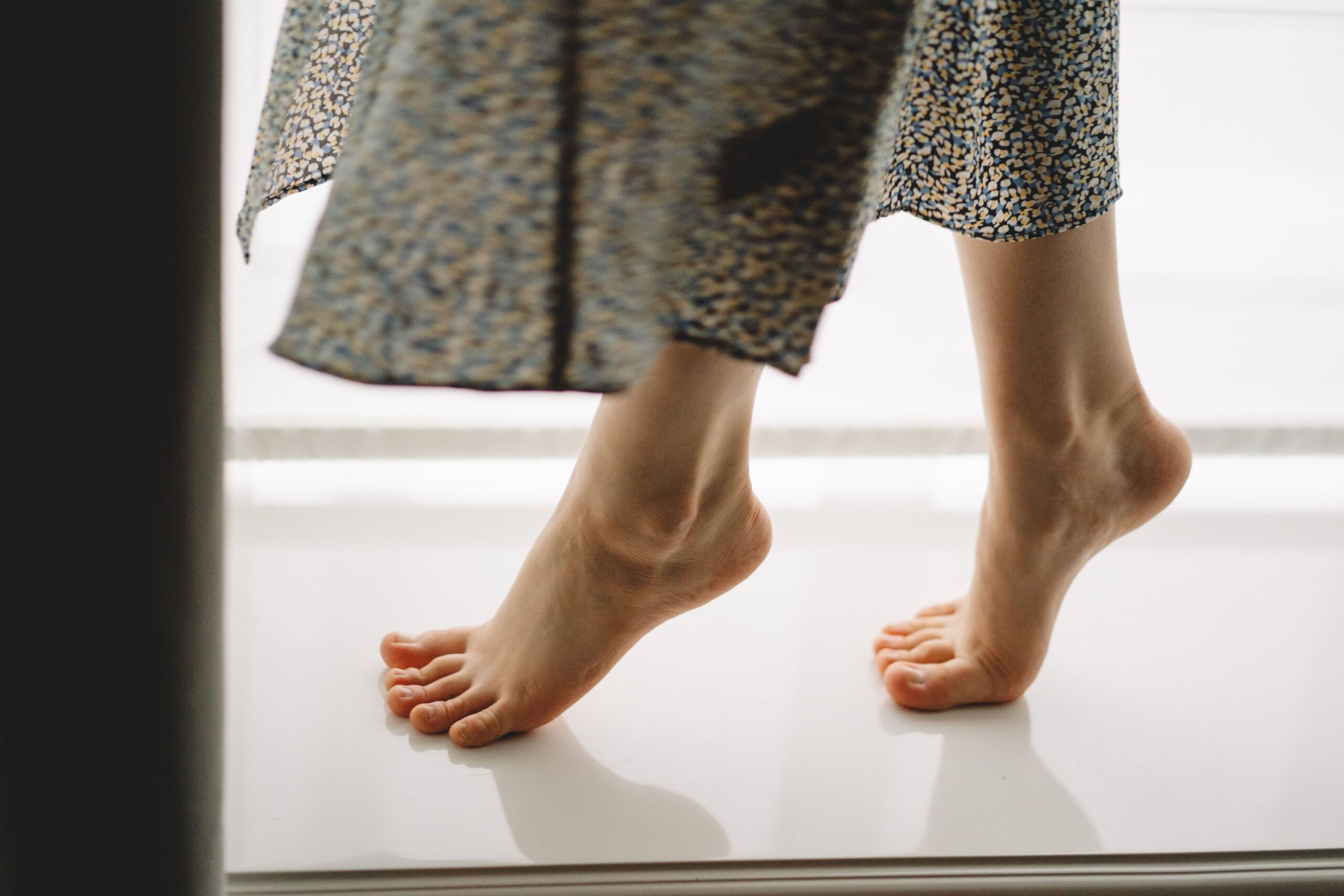
Our feet do a remarkable job every day. They support our body weight, absorb impact, help us balance and adapt to different surfaces. Yet, because we spend much of our time in supportive footwear, the small muscles within our feet can sometimes be overlooked when it comes to strength and conditioning. Barefoot strengthening is one approach that can help activate and develop these important muscles. When introduced gradually and appropriately, barefoot exercises may improve foot strength, balance and overall foot function. What Is Barefoot Strengthening? Barefoot strengthening involves performing selected exercises without shoes, allowing the muscles, joints and sensory systems…

